

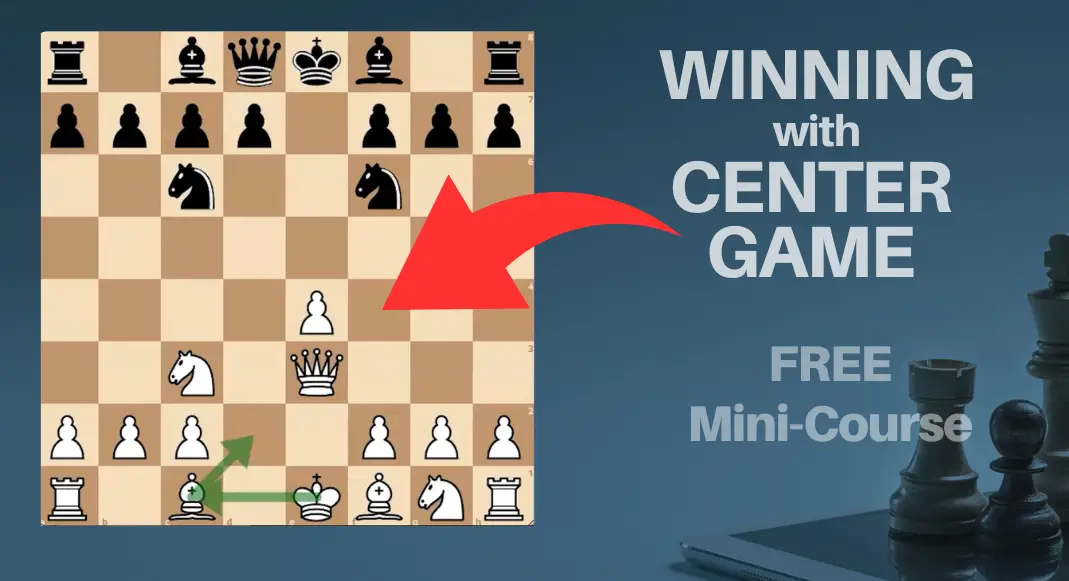

I have a very special opening for 1.e4 players today.
This could be your real chance to take your openings to the next level.
After 1.e4 e5 most players would expect something like Ruy Lopez, Bishop's Opening, or perhaps the King's Gambit...
But, you play the 2...d4!
See the diagram below:
Chess Tips, Articles and Guides to Help You Win Chess Games
Nimzo Semi-Tarrasch Defense for Black combines the power of the Queen’s Gambit Declined and the attacking potential of Tarrash and Grunfeld.
Continue reading

Learn GM Marian Petrov’s Ponziani Opening fundamentals in just 3 hours.
Most chess players don’t even know this opening exists.
It is extremely rare, yet powerful.
Continue reading
The great news is, IM Sieciechowicz is here with a quick-and-easy repertoire on the Bayonet Attack! And you are one click away from learning it!
Continue reading
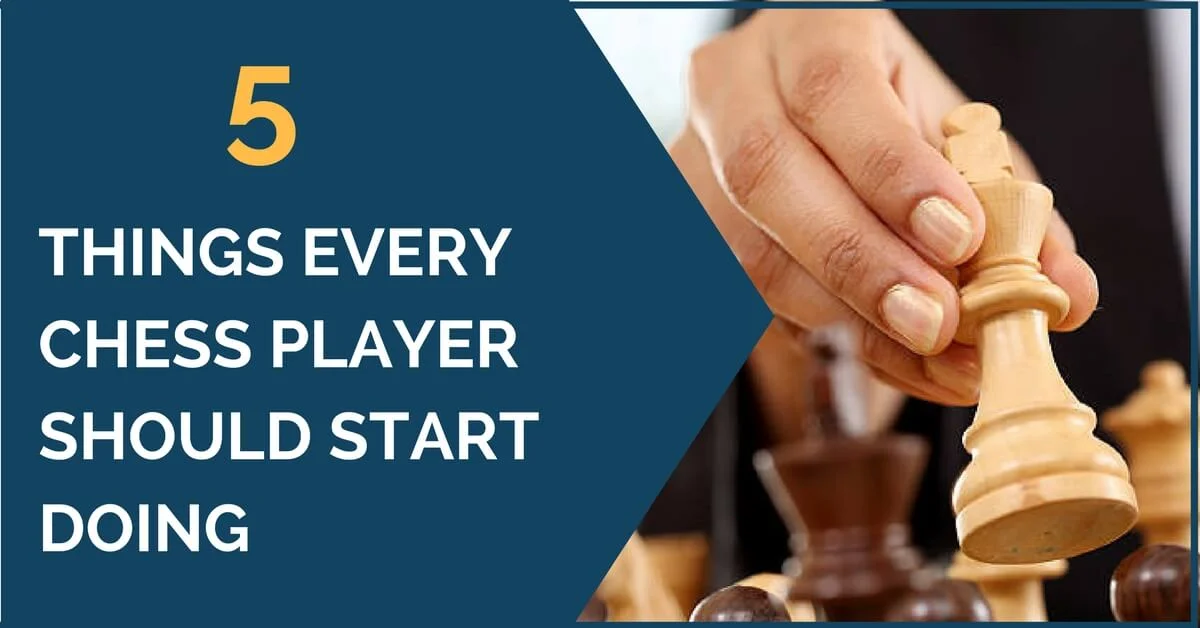
Over 99% of chess players play way under their maximum performance rating. Wouldn’t it be great if you could simply flip a switch and your chess performance goes up? Unfortunately, it doesn’t work like that, otherwise, everyone would’ve been a Grandmaster already. Don’t get upset though, because there are some things that I cover that act exactly as that magic switch. You won’t become a grandmaster or even a master overnight, but if you implement even some of the advice given here you will notice you start making progress [especially if you are stuck and not improving].
Continue reading
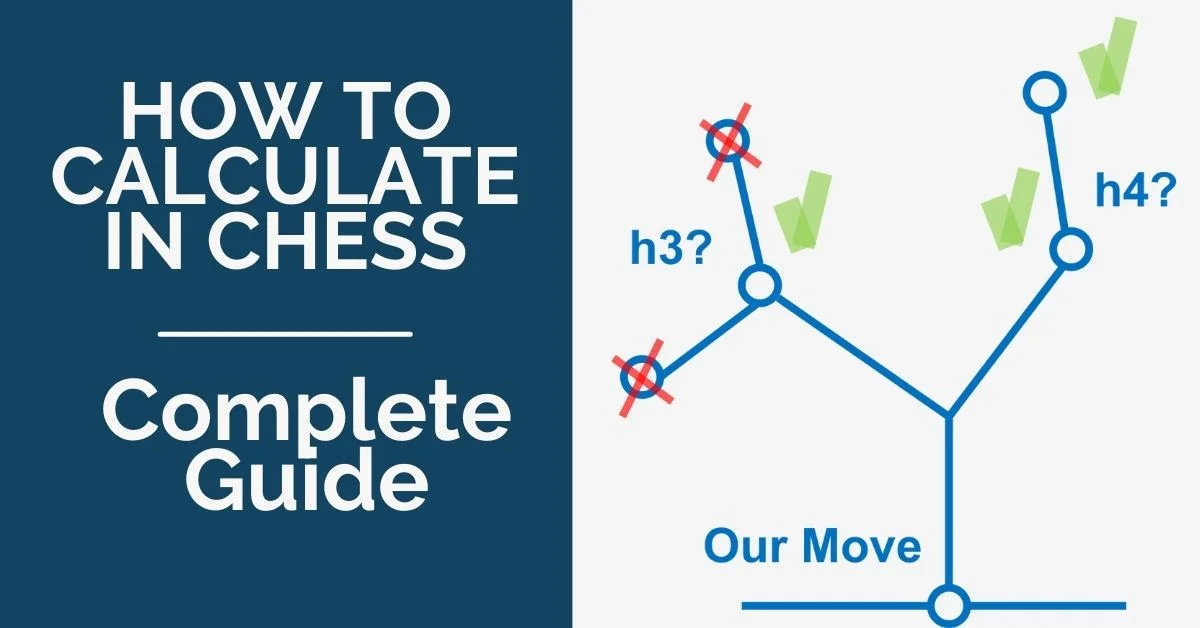

How to calculate in chess? First, let me ask you... How many chess positions can possibly arise on the board? Well, let’s count. White can choose between 20 first moves. Black can reply in 20 different ways too. This already creates 400 possible positions. White’s next turn can increase this number approximately up to 8 000. Black can make, for example, 100 000 from it. Next, it is millions already. Let’s stop here.
Continue reading

Creating a suitable working plan in order to improve our chess is never easy. It is very important to find the right material, but it is perhaps even more important to know what to work on. This can only be done by analyzing your own games and trying to find your weaknesses. You have to draw your own conclusions and decide what part of the game you have to work on.
Continue reading
Free Video Download
Learn how chess masters make decisions and start winning games


