

There are many beautiful endgame wins that are worth studying, where you will come across useful ideas you can use in your own games. In this article, I am going to present only a few that will hopefully inspire you to look deeper into this part of the game.
Chess Tips, Articles and Guides to Help You Win Chess Games

Nimzo Semi-Tarrasch Defense for Black combines the power of the Queen’s Gambit Declined and the attacking potential of Tarrash and Grunfeld.
Continue reading
Learn GM Marian Petrov’s Ponziani Opening fundamentals in just 3 hours.
Most chess players don’t even know this opening exists.
It is extremely rare, yet powerful.
Continue reading
The great news is, IM Sieciechowicz is here with a quick-and-easy repertoire on the Bayonet Attack! And you are one click away from learning it!
Continue reading
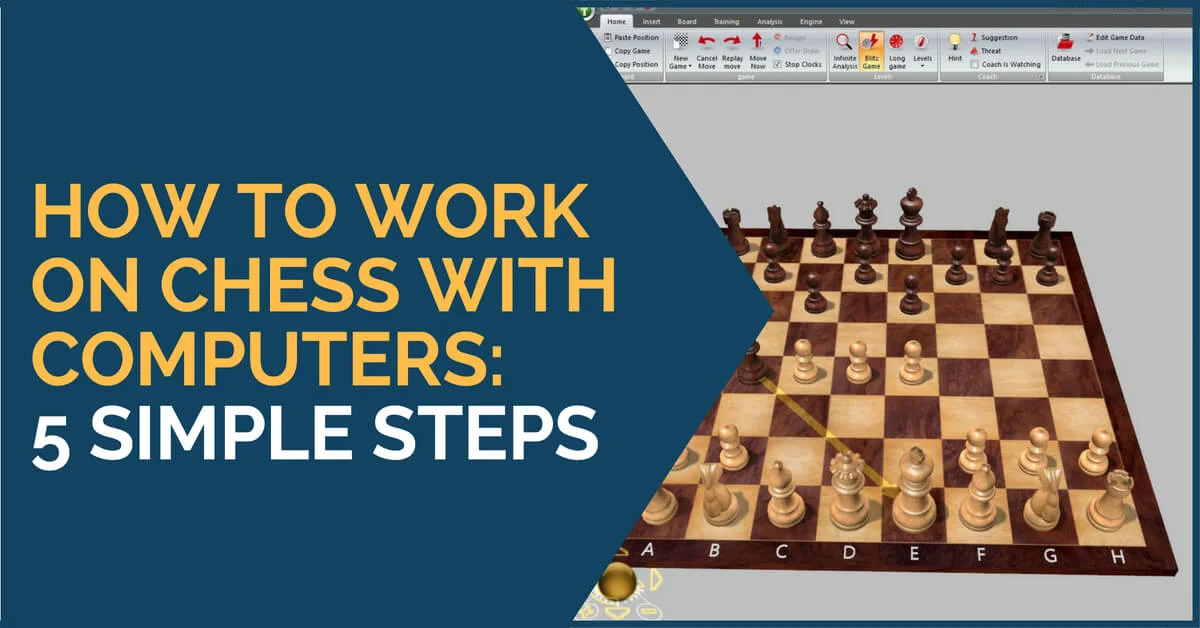
The importance of computers in modern chess is undeniable, but how important is it to you if you are in the 1900-2300 ELO range? I often get this kind of question from students who are quite addicted to the engine’s evaluation in almost every position. In this article, I will reveal my thoughts on working with computers and hopefully it will serve those seeking to make themselves better players.
Continue reading
In this article, we will discuss some of the very common training habits that a lot of chess players have without even realizing it. It seems like they do everything correctly study GM games, solve tactics, etc. But somehow that is not effective and their chess does not improve. Today we will look at the “why” part.
Continue reading
Chess training is different for everybody. Everybody wants to get better, but the goal of a training schedule is not the same for everybody. There is no universal recipe for success; each player has to create their own training program based on their weaknesses. Some players need to improve their positional skills, others their calculation. Some may need to work on their openings, while others should study and get better at the endgame phase.
Continue reading
Free Video Download
Learn how chess masters make decisions and start winning games


